TUe Integrated Circuits - Explainers
Voor de Technische Universiteit Eindhoven ontwikkelden we zes inhoudelijke 3D animaties die verschillende vormen van geïntegreerde circuit technologie stap voor stap uitleggen voor een internationaal en academisch publiek.

Integrated Circuits - Explainers
Onderzoek naar geïntegreerde circuits vraagt om visuele uitleg
TTechnische Universiteit Eindhoven doet onderzoek naar uiteenlopende vormen van geïntegreerde circuits, van open source chipdesign tot fotonica en neuromorfe systemen. Deze technologieën spelen zich af op micro en nanoschaal en zijn grotendeels onzichtbaar.
De universiteit wilde haar onderzoek beter uitleggen aan internationale onderzoekers, studenten en samenwerkingspartners. Tekst, schema’s en papers vroegen veel voorkennis en maakten het lastig om snel te begrijpen wat elk onderzoeksgebied uniek maakt en welk probleem het oplost.
Daarbij ging het niet om één onderwerp, maar om zes verschillende technologieën die elk hun eigen context en technische uitdaging hebben.
![Element - Arrow [Pink]](https://cdn.prod.website-files.com/5e8f1e61b1c84d25392cd7e7/65a549f517a3e39d07457aae_AA_small_arrow.svg)
Waarom animatie of 3D?
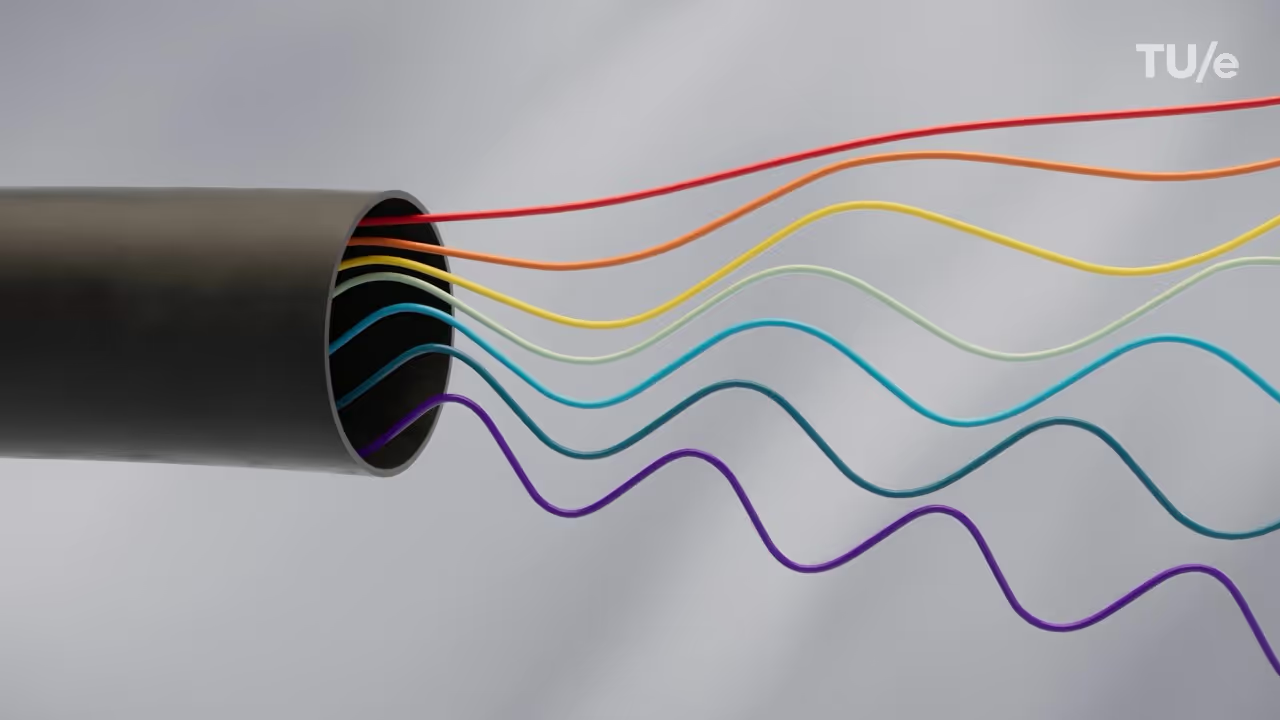
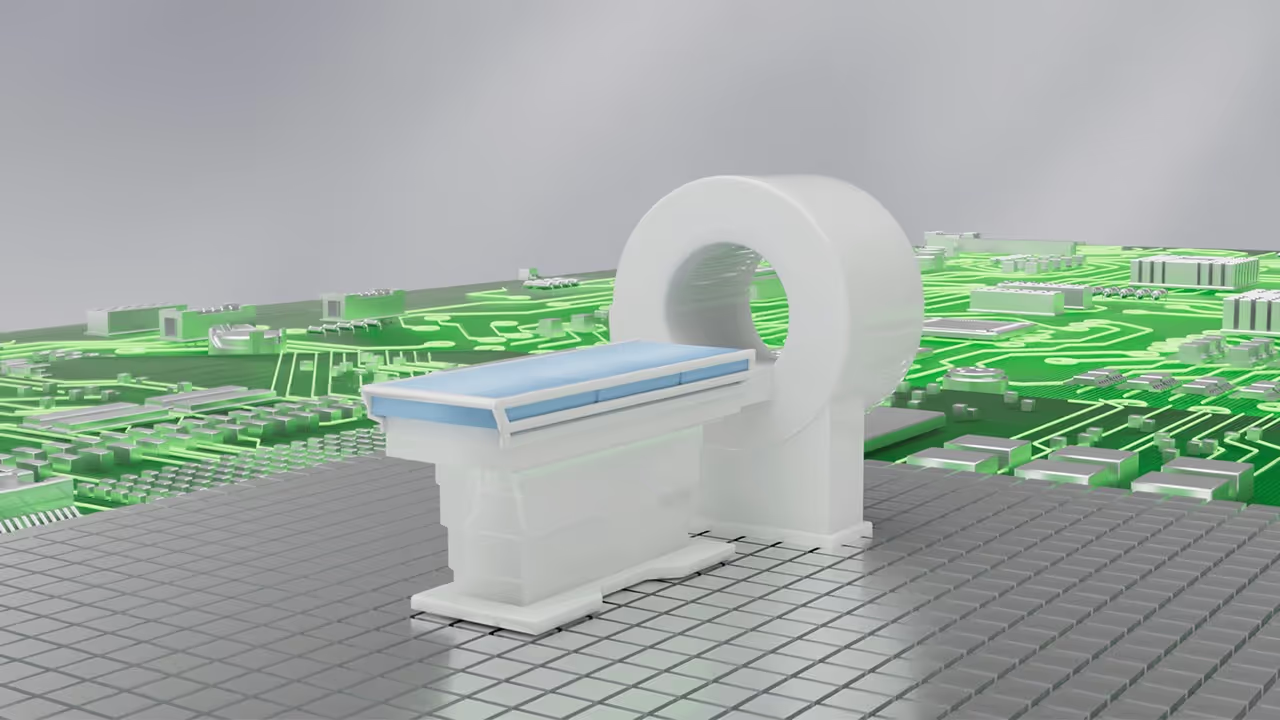
De zes onderwerpen draaien allemaal om processen die niet fysiek te zien zijn. Denk aan signaalverwerking in chips, interactie tussen licht en materie of magnetische velden in medische systemen.
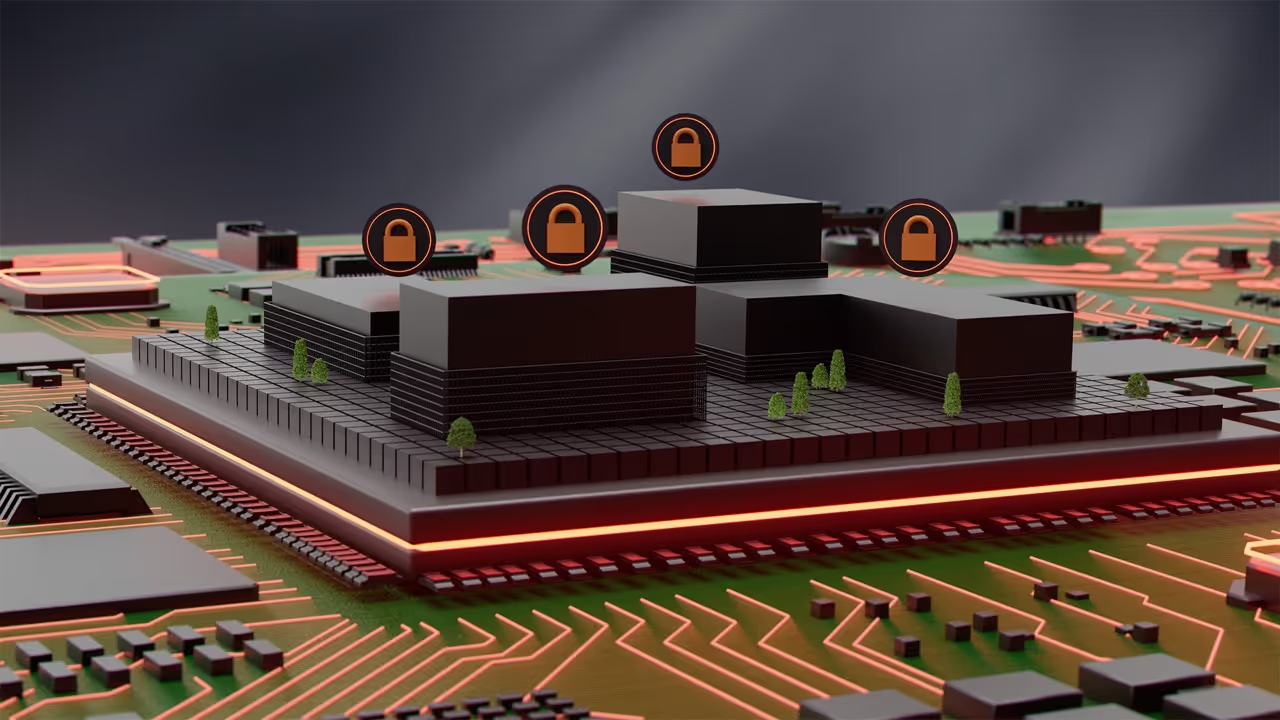
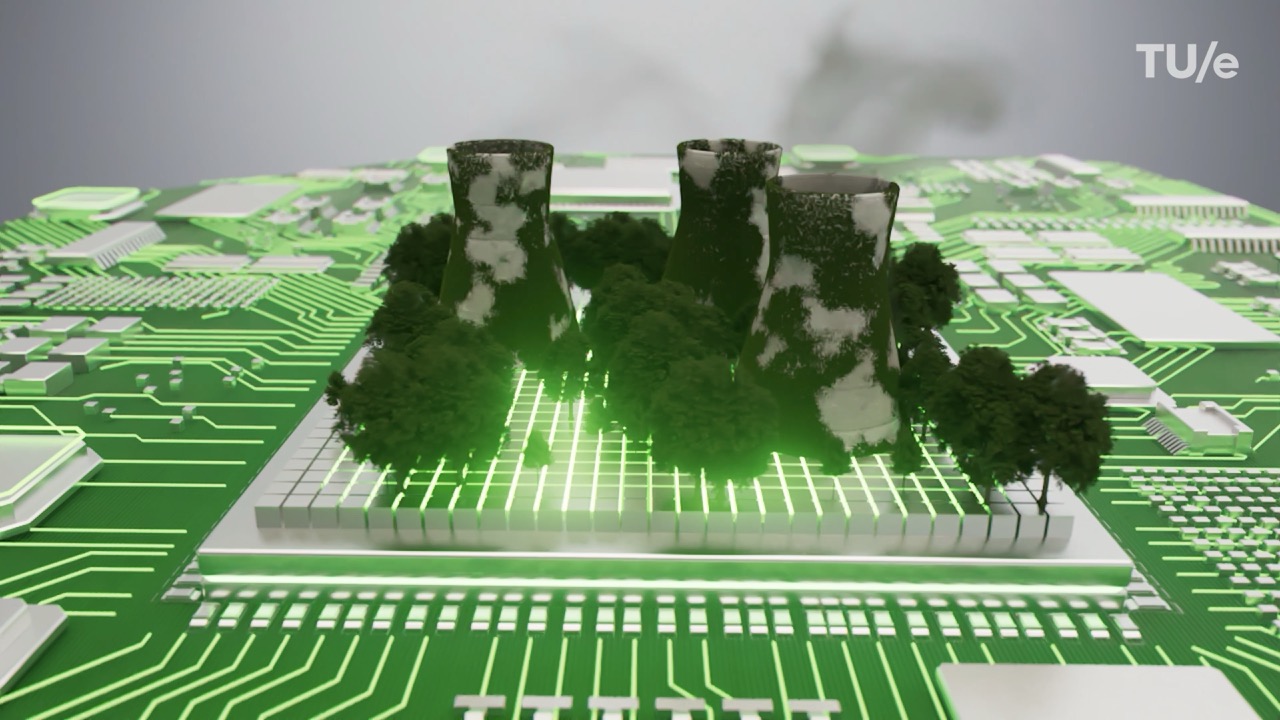
Met 3D animatie konden we deze processen zichtbaar maken zonder de inhoud te versimpelen. Animatie maakte het mogelijk om lagen open te bouwen, signalen te volgen en abstracte principes zoals parallelle verwerking of draadloze filtering begrijpelijk uit te leggen.
Dit was essentieel om de technologie overdraagbaar te maken aan kijkers die niet dagelijks met geïntegreerde circuits werken.
De aanpak
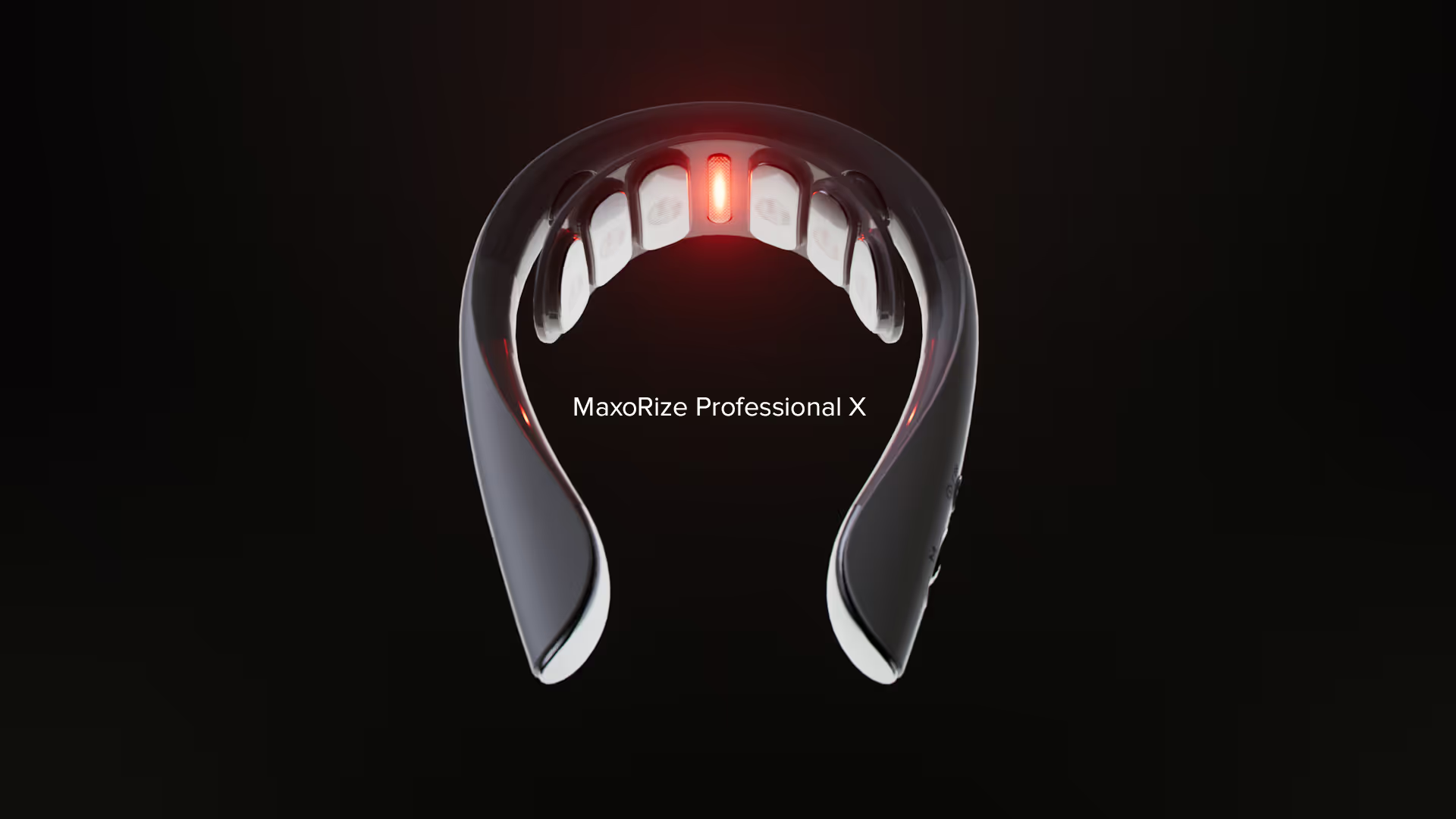
We ontwikkelden een serie van zes afzonderlijke 3D animaties, elk gebaseerd op een inhoudelijk script van TU/e en gericht op één onderzoeksdomein:
Per animatie is de technologie logisch opgebouwd van basisprincipe naar toepassing. De visuals tonen componenten, interacties en beperkingen op een technisch correcte manier, afgestemd op academisch gebruik en internationale communicatie.
Resultaat en toepassing
De zes 3D animaties worden ingezet binnen onderzoekspresentaties, internationale samenwerkingen en educatieve contexten. Ze helpen TU/e om complexe technologie helder toe te lichten zonder inhoudelijke diepgang te verliezen.
Door elk onderzoeksgebied afzonderlijk en visueel te behandelen, ontstaat overzicht en begrip bij uiteenlopende doelgroepen. Zo kan de universiteit haar kennis beter delen en positioneren binnen het internationale onderzoeksveld.
Relevante cases
Nieuwsgierig naar onze creaties? Bekijk de animatie die we maakten voor
Gilde-BT
of ontdek de magie achter